
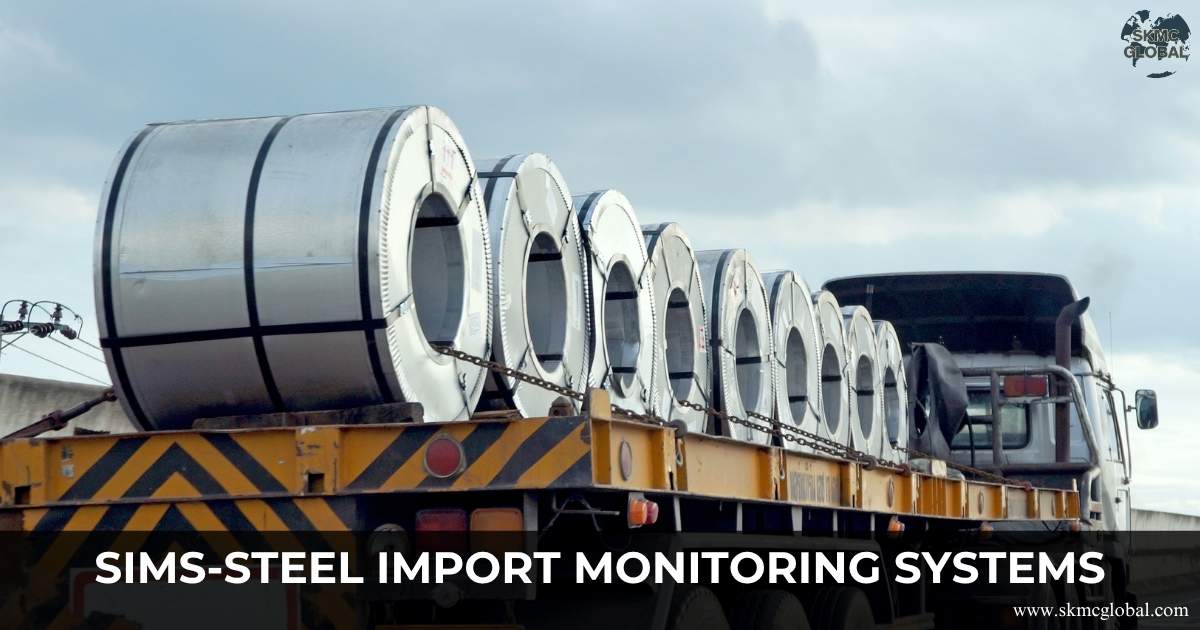
The significance of steel cannot be underestimated in the international metal and manufacturing sectors. Being one of the largest consumers and importers of steel globally, India requires a transparent process for importing steel to the Indian government has come up with an innovative solution by designing the Steel Import Monitoring System (SIMS). The sims registration codes form a vital component of the SIMS, facilitating better management and monitoring of steel imports. The use of sims registration codes makes sure that there is no unfair practice and transparency prevails in trade.
As a regulatory measure, before any consignment of steel is exported to India, the importers need to get registered under SIMS and obtain a SIMS Certificate. This regulatory measure will ensure that the government can trace the quantity, country of origin, category of product and thereby even price fluctuations that could relate to the imported steel.
Understanding Steel Import Monitoring Systems
The Steel Import Monitoring Systems are mandatory online information systems that have been introduced by the Directorate General of Foreign Trade, in consultation with the Ministry of Steel. Through this system, the government is in a position to get advance information about importing steel products. Collected information helps in analyzing the market trend, addressing the concern of the domestic industry, and ensuring transparency.
Importers are required to obtain a SIMS Certificate by registering online before filing the Bill of Entry. It is an authorization document that would prove the said importer has declared essential shipment details to the concerned authorities.
The whole purpose of any Steel Import Monitoring System is not to restrict the imports, but to regulate and document them. This helps in bringing stability in domestic steel prices and remove sudden market disruptions.
Why SIMS Registration is Required?
The Government, through the Steel Import Monitoring Systems, monitors the quantity of steel entering the Indian market, its origin, and its effect on the domestic steel manufacturers. Therefore, SIMS Registration is mandatory for any importer who imports steel that comes within notified HS codes.
Here are the key reasons why SIMS Registration exists:
- Ensures Transparency: Helps authorities track steel import patterns.
- Supports Domestic Manufacturers: Prevents dumping of low-cost steel from foreign countries.
- Market Stabilization: This allows the government to take such actions as necessary in controlling and managing price fluctuations.
- Data Collection: It guarantees reliable statistics during policymaking.
A business importing steel without SIMS registration is likely to suffer delays in clearance, penalties, and a probable shipment hold at customs.
When is registration in SIMS necessary?
SIMS Registration is required when:
|
Condition |
Requirement |
|
The product being imported is listed under notified steel HS codes |
SIMS Registration is mandatory |
|
Import shipment is scheduled and Bill of Entry will be filed in India |
Apply for SIMS Certificate before filing |
|
Importer wants a smooth customs clearance process |
SIMS compliance helps avoid queries & delays |
Key Point: The certificate is issued for the shipment alone and cannot be used again.
Documents required for registration on SIMS:
To get a SIMS Certificate, the following should be provided:
- IEC: Importer Exporter Code
- Importer's details: name, address, contact
- Supplier’s name and country of origin
- HS code of steel product
- Quantity and value of shipment
- Shipment Mode: By Sea/Air
- Place of entry
SIMS Application is filed online on DGFT's official portal.
Simplified Steps for Registration in SIMS (SIMS 2.0)
Steps for SIMS Registration (SIMS 2.0)
1. Login/Sign-up: https://sims.steel.gov.in Log in with your IEC or register as a new importer.
2. Verify Profile: Check and update your IEC and company details.
3. Complete Application: Fill in the import details including HS Code, Quantity, Value, Supplier, etc. Each item requires one SIMS number.
4. Payment of the fee: Pay ₹750 [registration ₹ 500 + Processing ₹250] and save the receipt.
5. Download SIMS Certificate: Once processed, download your certificate; it is valid for 75 days.
6. Amendments: Amendments after submission are usually not allowed. For any amendments contact the help desk.
7. Apply Timing: Submit your application 7-60 days before the arrival of shipment.
Validity of SIMS Certificate
A SIMS Certificate is valid for 75 days from the date of issuance. If the shipment gets delayed beyond this period, it will necessitate fresh registration in the SIMS. The importer is, therefore, advised to plan the registration in alignment with expected shipment dates.
Non-Compliance Issues
If an importer fails to present a valid SIMS Certificate for importing steel, the customs department may terminate
- Consignment can be put on hold
- Apply sanctions
- Delay clearance
- Return the shipment for reassessment
Therefore, timely registration of SIMS is important in facilitating smooth customs clearance.
Role of SIMS in Import Pricing and Market Regulation
The Steel Import Monitoring Systems provide real-time insight into the source and price trends of steel imports, thereby helping in:
Detect dumping or under-invoicing practices
- Support fair competition in domestic markets
- Avoid market distortion related to excessive imports
- Stabilize the long-term supply chain planning for industries
Import data can help businesses that import steel predict costs and negotiate prices with suppliers.
How SKMC Global Can Help
While obtaining a SIMS Registration and getting a SIMS Certificate may sound easy, a wrong selection of HS code, supplier details, or shipment value is normally the reason behind delays in customs. At SKMC Global, immense experience in the industry coupled with deep regulatory knowledge ensures your compliance is correct on time.
Our assistance includes:
- Identifying the correct HS codes for steel imports
- Filing SIMS Registration on behalf of the importer
- Accurate and error-free data entry into the SIMS Application
- Coordinating with customs for smooth clearance
- Advisory support for continuous steel import planning
We are compliance management experts and will make sure your documentation is as per DGFT requirements.
SKMC Global helps many clients from various industries, like automobile, manufacturing, construction and electrical fields, to achieve their desired SIMS Certificate with no stress or delay.
Conclusion
The Steel Import Monitoring Systems are a very important compliance requirement for companies importing steel into India. SIMS registration, together with a valid certificate, supports transparency and safeguards domestic steel markets besides ensuring easy import clearances. Understanding and following SIMS guidelines is quite important to avoid penalties, shipment delays, and financial losses.
However, documentation errors come with a price. Importers can easily stay in compliance and avoid risks through SKMC Global professional support, and focus on core business operations.
Whether you are planning or currently importing steel, SKMC Global is here to assist you with correct, timely and reliable SIMS Registration services.