
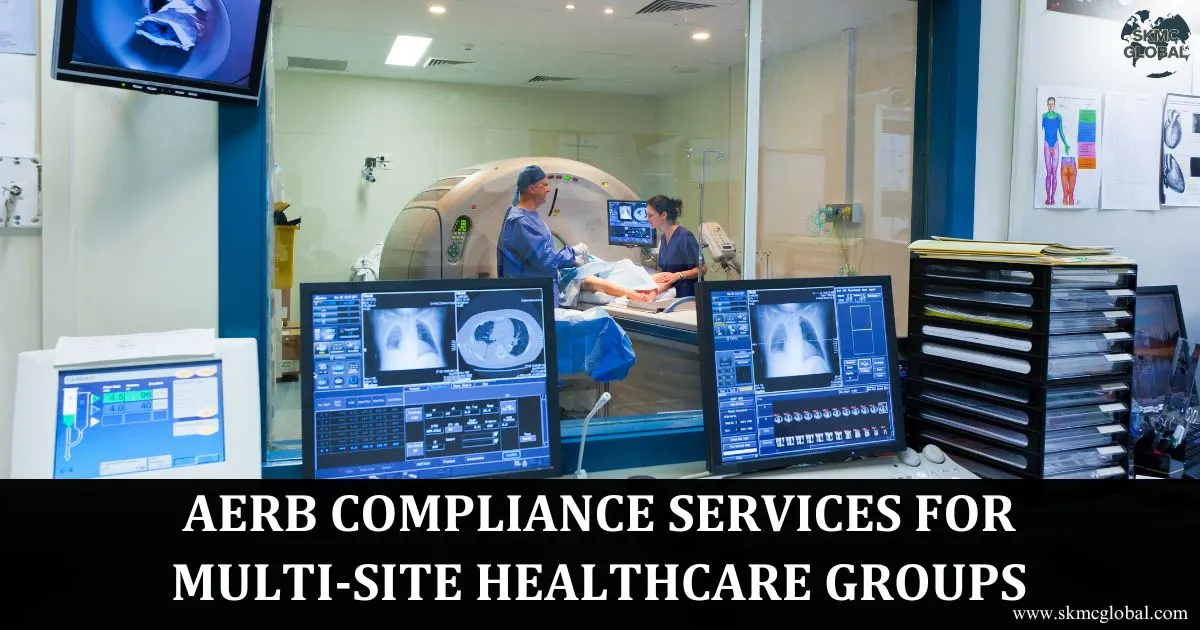
Controlling modern multi-center hospitals and nationwide diagnostic chains in India requires consistency in operation and strict adherence to safety norms. The use of devices emitting radiation such as diagnostic equipment, imaging, X-ray, CT scan, cath lab and linear accelerator is essential but it is strictly regulated by the Atomic Energy Regulatory Board (AERB).
In case of multi-center hospitals, manual monitoring of each center’s registration process, timing of calibrations and staff’s license renewal may result in regulatory non-compliance, delays in the equipment availability and even compliance issues with penalties. Usage of AERB compliance management services will help hospital administrators stay consistent in regulations and avoid any problems with them.
Problems with Decentralized AERB Compliance
Hospital chain operations in general may be exposed to risks if they delegate their regulatory obligations to their individual facility units. Regional facility managers tend to juggle many different responsibilities and view compliance with the rules on ionizing radiations safety as a routine matter to be performed occasionally.
Major risks related to decentralized approach to regulation management are as follows:
-
Missed Renewals: Decentralized management causes operating licenses to expire, equipment not being verified and RSOs' certificates expiring.
-
Fluctuations in Safety Requirements: Inconsistency of protocols used at facilities in different regions leads to increased exposure and inconsistencies in document preparation.
-
Operational Implications: Operations without valid registrations lead to receipt of warnings, suspension of equipment usage and interruption of healthcare services.
-
Lack of Real-Time Control: Corporate compliance manager is unable to monitor facility situation due to decentralization of tasks.
Outsourcing compliance activities to AERB consultants can help overcome regional operational gaps.
Central Equipment and Licence Register
A core foundation of managed radiation compliance is establishing a centralized digital asset inventory. Healthcare groups need a consolidated repository linking every radiation device across all locations with its specific compliance documentation.
An effective central register monitors key assets and parameters:
-
Equipment Inventory: Tracking exact serial numbers, manufacturer details, machine models and clinical locations across all branches.
-
Licensing History: Centralizing Type Approvals, layout clearance letters and operating licenses granted via the digital eLORA portal.
-
Radiation Safety Officers: Maintaining details of all RSO-certified personnel, radiologist qualification information and personal TLD dosimetry of technicians in each facility.
-
Assurance Performance Reports: Storing baseline and QA Performance Test Result Reports to ensure that the equipment is safe.
A total eLORA Compliance Outsourcing Program enables corporate management to see the complete picture of regulatory health in one dashboard.
Renewal and Inspection Calendar
Regulatory filings under the AERB follow strict, non-negotiable timelines. Lapsed clearances can suspend clinical operations, while late filings create unnecessary administrative delays. Managed services utilize automated compliance calendars to track critical deadlines.
-
QA Testing: Every 2 years or after major repairs.
-
TLD Dosimetry Reports: Quarterly for each facility.
-
Operating Licence Renewal: Every 5 years through eLORA.
-
Internal Safety Inspections: Semi-annually.
-
RSO Re-nomination: Initiated well before the due date.
Proactive schedule management ensures QA testing, RSO re-nominations and operational license renewals are initiated months before expiration dates, preventing service disruptions.
New-Site Approval Support
The growth of healthcare organizations through opening of new diagnostic centers and buying local hospitals entails serious compliance procedures. The process of installation of radiation apparatus demands numerous steps to be undertaken:
-
Institute Registration: Registering the new facility profile on the eLORA platform.
-
Site & Layout Plan Approval: Submitting room architectural diagrams including wall thickness, lead-lining specifications, shielding design and operator positioning for regulatory evaluation.
-
Procurement Clearance: Securing permission to purchase approved equipment models from certified manufacturers.
-
Commissioning & QA: Conducting performance testing upon installation to confirm compliance with radiation leakage standards.
-
Operating License Creation: Submittal of quality assurance report and certificates of personnel to get the ultimate license for starting the treatments to patients.
Collaboration with an expert AERB Compliance Services firm expedites these licenses, allowing new clinical sites to operate without any delays.
Relocation and Replacement Workflows
Healthcare groups frequently upgrade, reallocate or decommission radiation equipment across their network to optimize clinical resources. Moving or upgrading a device involves specific regulatory workflows:
-
Moving Equipment: Moving the X-ray equipment or CT scanner from one location to another would involve shutting down the existing equipment, layout clearances in the new location, moving and installing the new equipment, conducting new QA testing and updating the eLORA profile.
-
Decommissioning & Scraping: Decommissioning old equipment involves making a formal application for decommissioning and disposal declarations.
-
Replacements: Replacements of major component such as the X-ray tube involve QA testing to update and verify the exposure.
Internal Compliance Audits
A strategy purely dependent on external regulatory assessments is likely to render multilocation firms open to compliance breaches. Managed compliance systems involve incorporating internal audits into the system.
A comprehensive internal audit includes:
-
Physical Inspection: Evaluating room lead shielding, protective doors, lead-glass viewing windows, red warning lights and warning signage.
-
Personnel Safety Audit: Confirming staff wear TLD badges, review personal exposure logs and utilize lead aprons and protective gear.
-
Document Audit: Reviewing physical logbooks, service history, RSO appointment letters and hospital regulatory compliance India records across all sites.
Regular internal evaluations maintain a continuous state of audit readiness across all regional centers.
Management Reporting and Escalation
Managed compliance programs provide enterprise leadership with actionable operational visibility. Centralized reporting synthesizes multi-site compliance data into executive dashboards, highlighting active risk indicators.
The escalation model quickly brings to the attention of hospital managers any issues with regard to compliance such as nearing deadlines of QA processes, absence of RSO positions, discrepancies with portal documents, etc. Through systematic risk management with regard to compliance, health-care executives safeguard reputations, legality of operations and safe clinical environment.
How SKMC Global Can Help
Meeting the diverse regulatory mandates at multiple clinical sites requires expert knowledge and coordinated effort. SKMC Global offers a full range of managed compliance services designed for multi-site healthcare organizations, diagnostic chains and hospital networks:
-
Comprehensive eLORA Management: Our team takes care of the entire eLORA compliance outsourcing, including facility registration and portal maintenance for all sites.
-
End-to-End Site Expansion: We take care of layout approvals, purchasing clearances, and licensing of new diagnostic sites to ensure the timely launch of their operations.
-
AERB Consultation Service: As your personal AERB consultant, we develop personalized tracking calendars to ensure you do not miss any QA audit or license renewal.
-
Audit & Lifecycle Support: SKMC Global conducts internal compliance audits, handles equipment relocation filings and supports hospital regulatory compliance India needs to ensure long-term, multi-site compliance.
Conclusion
Having a specialized AERB Compliance Service handle outsourced compliance management gives multi-site healthcare organizations the structure, visibility, and control necessary for adhering to stringent standards of safety. Healthcare organizations will be able to rid themselves of any bureaucratic regulatory hassle by centralizing their asset information, tracking the renewals automatically, handling the approvals of expansions on sites and carrying out periodic safety audits. With SKMC Global, hospital administrators can provide quality healthcare services while complying fully with regulations.